Trazodone Guide Home

Category

Clinical Pharmacology

21 articles

An FDA-Approved Antidepressant That Psychiatrists Rarely Reach For: The Clinical Politics Behind Trazodone's Demotion

An FDA-Approved Antidepressant That Psychiatrists Rarely Reach For: The Clinical Politics Behind Trazodone's Demotion

Trazodone carries a legitimate FDA approval for major depressive disorder, yet it has been quietly pushed to the margins of psychiatric prescribing over the past three decades. This article examines the historical, commercial, and clinical forces that transformed an approved antidepressant into a drug most psychiatrists associate almost exclusively with sleep. Understanding that trajectory has meaningful implications for how clinicians and patients evaluate trazodone's full therapeutic potential


America's Most Quietly Prescribed Antidepressant: The Cultural Gap Between Trazodone's Reputation and Its Reality

America's Most Quietly Prescribed Antidepressant: The Cultural Gap Between Trazodone's Reputation and Its Reality

Trazodone is dispensed tens of millions of times each year in the United States, yet it is rarely championed in medical education, clinical conferences, or prescribing guidelines. This article examines why a medication with decades of evidence behind it continues to carry an almost apologetic clinical identity—and what that disconnect reveals about how American medicine processes pharmaceutical reputation.

One Drug, Two Specialties, Competing Visions: How Psychiatrists and Sleep Physicians Approach Trazodone Differently

One Drug, Two Specialties, Competing Visions: How Psychiatrists and Sleep Physicians Approach Trazodone Differently

Trazodone is prescribed by both psychiatrists and sleep medicine specialists, yet the two fields approach the medication with strikingly different dosing philosophies, treatment goals, and evidence standards. Understanding this disciplinary divide can help patients and providers make more informed decisions about how—and why—trazodone is being used in any given clinical context.

Prescribed in Good Faith, Approved for Something Else: The Regulatory Blind Spot Shaping Trazodone's Clinical Identity

Prescribed in Good Faith, Approved for Something Else: The Regulatory Blind Spot Shaping Trazodone's Clinical Identity

Trazodone carries an FDA approval for major depressive disorder, yet the overwhelming majority of prescriptions written in the United States today are for insomnia—a condition the agency has never formally sanctioned it to treat. This regulatory disconnect places physicians in a gray zone they may not fully recognize, with meaningful implications for how efficacy expectations are set, how liability is understood, and how patients interpret the medications they are given.

When Affordability Becomes an Advantage: What Cost-Driven Trazodone Prescribing Reveals About American Psychiatric Care

When Affordability Becomes an Advantage: What Cost-Driven Trazodone Prescribing Reveals About American Psychiatric Care

Uninsured and underinsured Americans frequently end up on generic trazodone not by clinical design, but by financial necessity—yet emerging prescribing data suggests this economic constraint may occasionally produce outcomes that rival or exceed those achieved with far more expensive branded antidepressants. This article examines the uncomfortable intersection of healthcare inequality and clinical efficacy, asking whether cost-driven prescribing sometimes aligns with evidence in ways that premiu

Receptor Saturation, Metabolite Buildup, and the Counterintuitive Logic Behind Trazodone's Dose-Dependent Effects

Receptor Saturation, Metabolite Buildup, and the Counterintuitive Logic Behind Trazodone's Dose-Dependent Effects

Trazodone presents a genuine pharmacological paradox: the doses that reliably improve sleep are substantially lower than those required for antidepressant efficacy, yet increasing the dose does not simply amplify sleep benefits—it can actively undermine them. Understanding why requires a close examination of receptor binding hierarchies, active metabolite dynamics, and the individualized pharmacokinetic variables that govern how this drug behaves across different patients.

Approved for One Thing, Used for Another: The Regulatory Gap at the Heart of Trazodone Prescribing

Approved for One Thing, Used for Another: The Regulatory Gap at the Heart of Trazodone Prescribing

Trazodone carries a single FDA-approved indication for major depressive disorder, yet the majority of prescriptions written in the United States today are for insomnia, anxiety, and other conditions that fall entirely outside that label. Understanding how this regulatory and clinical divergence occurred—and what it means for patients and providers—requires a closer look at drug approval economics, evolving evidence, and the practical realities of psychiatric prescribing.

Prescribed for Sleep, Approved for Depression: Unpacking Trazodone's Off-Label Dominance and What the Evidence Actually Supports

Prescribed for Sleep, Approved for Depression: Unpacking Trazodone's Off-Label Dominance and What the Evidence Actually Supports

Trazodone holds FDA approval for major depressive disorder, yet the majority of prescriptions written in the United States today are intended to treat insomnia. This article examines the clinical evidence behind that practice, the regulatory framework governing off-label prescribing, and what both patients and clinicians should weigh before defaulting to a drug whose dominant use has outpaced its formal approval.

Not Just Another Antidepressant: How Trazodone's Dual Serotonin Action Sets It Apart From the SSRI Class

Not Just Another Antidepressant: How Trazodone's Dual Serotonin Action Sets It Apart From the SSRI Class

Trazodone is frequently misclassified as a secondary SSRI alternative, yet its pharmacological identity as a serotonin antagonist and reuptake inhibitor places it in an entirely different mechanistic category. Understanding this distinction is not merely academic—it has direct implications for patient selection, side effect anticipation, and therapeutic outcomes. This article examines what makes trazodone's serotonin profile genuinely unique and why that uniqueness deserves clinical recognition.

Rethinking the Dose-Response Relationship: Why Trazodone's Antidepressant Potential Is Often Undermined by Oversimplified Prescribing

Rethinking the Dose-Response Relationship: Why Trazodone's Antidepressant Potential Is Often Undermined by Oversimplified Prescribing

Trazodone's FDA-approved antidepressant indication sits in a pharmacological blind spot for many clinicians, who associate the drug almost exclusively with low-dose sleep management. A closer look at the receptor-level mechanisms reveals why titrating too aggressively—or not thoughtfully enough—can paradoxically undermine the very antidepressant effect patients need. Understanding this tension is essential for optimizing outcomes in treatment-resistant and undertreated depression.

Small Dose, Big Sleep: The Counterintuitive Science Behind Trazodone's Inverted Dose-Response Curve

Small Dose, Big Sleep: The Counterintuitive Science Behind Trazodone's Inverted Dose-Response Curve

Trazodone presents one of psychiatry's more puzzling pharmacological paradoxes: the doses required to treat depression often undermine the very sedation that makes the drug useful as a sleep aid. Understanding why 50 mg at bedtime can outperform 300 mg for insomnia requires a close look at receptor occupancy, metabolite dynamics, and the thresholds that govern each therapeutic effect.

When Crisis Becomes Clarity: Why Trazodone Sometimes Works Better Under Pressure

When Crisis Becomes Clarity: Why Trazodone Sometimes Works Better Under Pressure

Some patients on trazodone report surprising improvements in mood and sleep precisely when life feels most overwhelming—a counterintuitive pattern that challenges static models of depression. Understanding why acute stress can amplify antidepressant response reveals something fundamental about the neurobiology of mood disorders. This article examines the mechanisms behind context-dependent drug efficacy and what it means for clinical practice.

Waking Up Foggy: The Pharmacology Behind Trazodone's Morning Hangover Effect

Waking Up Foggy: The Pharmacology Behind Trazodone's Morning Hangover Effect

Many patients prescribed trazodone for sleep or depression report persistent sedation that bleeds into their morning hours, impairing cognition, coordination, and overall daytime functioning. Understanding the pharmacokinetic reasons behind this phenomenon—and the practical interventions available—can make the difference between a medication that works and one that gets abandoned. This article examines the mechanisms driving next-day grogginess and outlines evidence-based strategies for resolvin

What Lives in Your Gut May Determine How Well Your Antidepressant Works

What Lives in Your Gut May Determine How Well Your Antidepressant Works

Emerging research on the gut-brain axis is reshaping how clinicians understand antidepressant variability—and trazodone's unique pharmacological profile places it at the center of that conversation. Two patients on identical doses may experience dramatically different outcomes, and the answer may lie not in their brain chemistry alone, but in the trillions of microorganisms residing in their digestive tract. This article examines the clinical evidence and what it means for patients and providers

Beyond the Warning Label: A Clinical Look at Trazodone and Alcohol Risk

Beyond the Warning Label: A Clinical Look at Trazodone and Alcohol Risk

The standard advice to avoid alcohol while taking trazodone is well-intentioned but incomplete. A closer examination of the pharmacological mechanisms reveals a spectrum of risk that varies considerably depending on dose, timing, and individual patient factors—and understanding that spectrum can meaningfully change how providers counsel their patients.

Trazodone and Body Weight: What the Clinical Data Actually Shows

Trazodone and Body Weight: What the Clinical Data Actually Shows

Weight gain is among the most frequently cited concerns patients raise before starting trazodone, yet the clinical picture is considerably more nuanced than popular perception suggests. This article examines the pharmacological mechanisms behind appetite changes, identifies which patient populations carry the greatest metabolic risk, and offers evidence-based guidance for monitoring weight during trazodone therapy. Understanding the distinction between documented outcomes and patient anxiety is

Trazodone's Unlikely Rise—and Complicated Future—in American Psychiatric Practice

Once dismissed as a second-tier antidepressant, trazodone quietly became one of the most prescribed psychiatric medications in the United States—largely for uses its original approval never anticipated. An examination of its pharmacology, real-world prescribing data, and evolving clinical guidelines reveals both why that ascent happened and why the conversation around trazodone is growing more complicated.

How Trazodone Reshapes the Sleeping Brain: A Clinical Case for Moving Beyond Benzodiazepines

How Trazodone Reshapes the Sleeping Brain: A Clinical Case for Moving Beyond Benzodiazepines

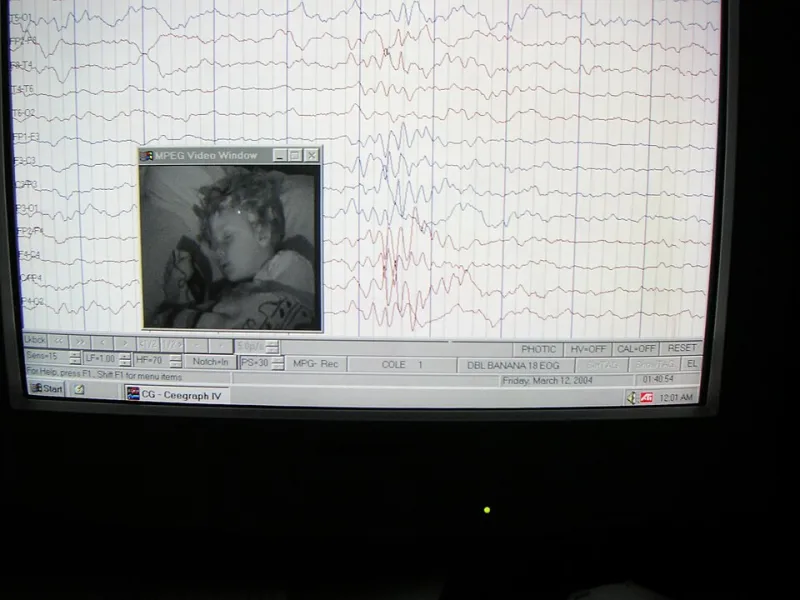
Unlike conventional sleeping pills that sedate indiscriminately, trazodone interacts with specific neurotransmitter systems to preserve the brain's natural sleep architecture. For the millions of Americans managing both depression and chronic insomnia, this distinction carries meaningful clinical weight. This article examines the pharmacological science behind trazodone's sleep benefits and what the evidence says about patient outcomes.